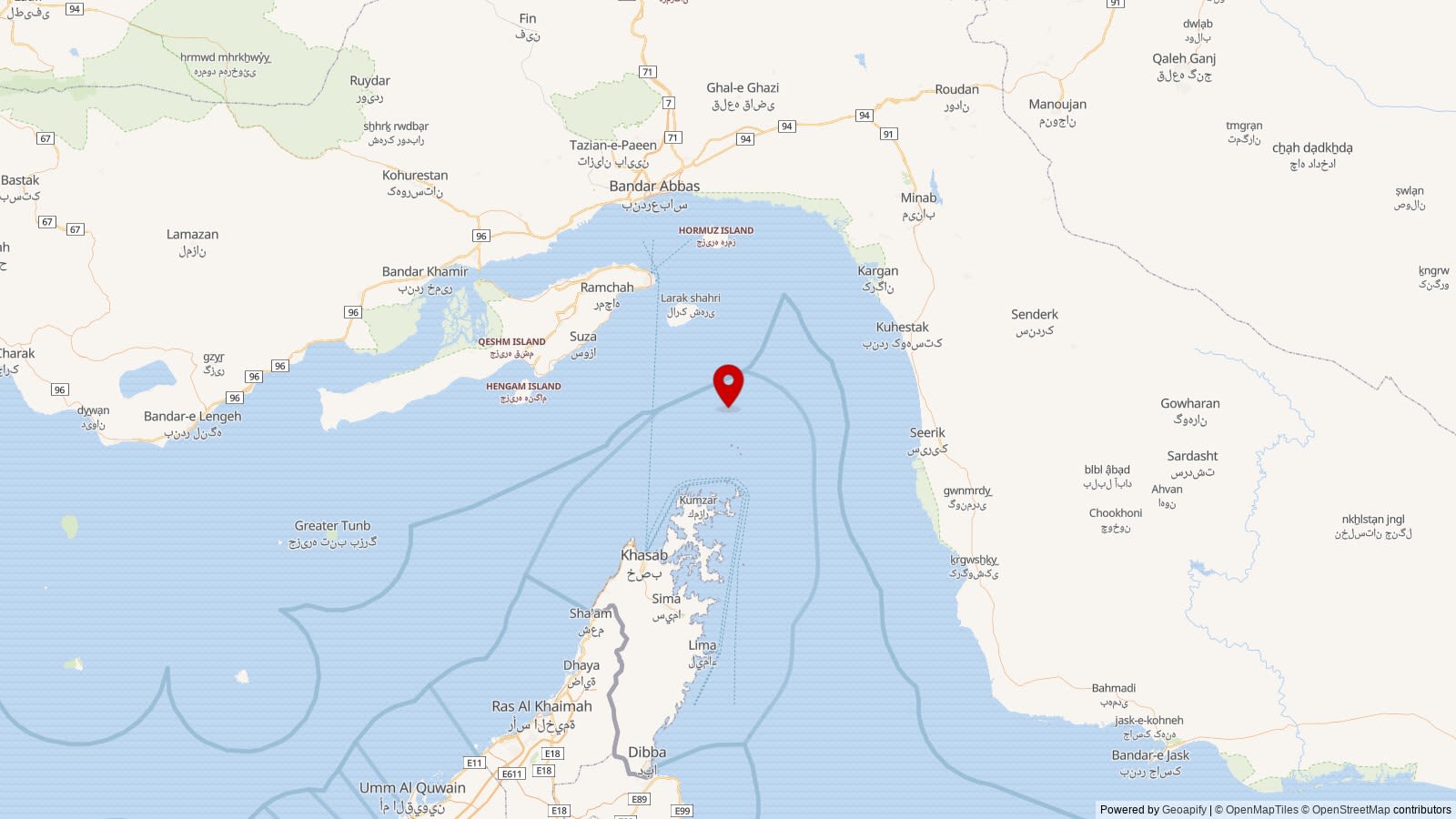
Qatar energy minister warns global energy shockwaves from Iran war have not yet peaked
In Doha, Qatar’s energy chief met Iran’s acting oil minister to discuss joint field management as Washington‑Tehran tensions raise concerns over future oil and gas supplies.

What happened
On 19 October 2026, Qatar’s energy minister met Iran’s acting oil minister in Doha to discuss cooperation on the shared North Dome‑South Pars gas field. The two sides framed the dialogue as routine field‑management, but Qatar’s officials warned that the broader conflict in Iran could still generate “global energy shockwaves” that have not yet reached their peak.
Who is involved
- Qatar Energy Minister – unnamed in the source, representing Doha’s energy portfolio.\
- Hamid Bovard – appointed acting oil minister of Iran after the resignation of Mohsen Paknejad.\
- Iskandar Momeni – Iran’s interior minister, who delivered President Masoud Pezeshkian’s message to Emir Sheikh Tamim bin Hamad Al Thani.\
- Sheikh Tamim bin Hamad Al Thani – Emir of Qatar, host of the talks.\
- Donald Trump – U.S. President, referenced as urging a “nice way or not‑so‑nice way” to end the Iranian standoff.\
- Scott Bessent – U.S. Treasury Secretary, cited by Iran’s central bank governor.
Why it matters
The North Dome (Qatar) and South Pars (Iran) together hold the world’s largest offshore gas reservoir. Coordination on extraction rates is essential for market stability. When sanctions ease, the dialogue can broaden to investment and export plans, which would affect global gas and condensate balances.
Qatar’s warning signals that even if current oil prices have steadied, any escalation in the Iran‑U.S. confrontation could tighten supply further. The emir’s office reiterated that Doha’s mediation between Tehran and Washington is “ongoing and has not stopped,” suggesting the Gulf state hopes to cushion the shock through diplomatic channels.
What’s next
Qatar’s interior minister and Iran’s interior minister agreed to create a joint working group to track decisions from the Doha meetings. Observers expect the group to focus on security cooperation, trade facilitation, and joint monitoring of the shared gas field.
Meanwhile, the United States is weighing additional sanctions or military options, while Iran signals readiness to expand its oil output under the new acting oil minister. Energy markets will be watching Doha for any indication that the two neighbours might adjust production or pricing in response to the conflict.
Key numbers
| Item | Figure |
|---|---|
| Date of talks | 19 Oct 2026 |
| Shared gas field capacity | ~50 billion cubic metres per year (combined) |
| U.S. President | Donald Trump |
| Acting Iranian oil minister | Hamid Bovard |
The next few weeks will reveal whether Doha can translate diplomatic goodwill into concrete measures that blunt the looming energy shock.
Key numbers
| What | Figure | Source |
|---|---|---|
| Date of meetings | 19 October 2026 | newsquawk.com and newscord.org |
| Shared gas field name | North Dome (Qatar) / South Pars (Iran) | newsquawk.com |
| Acting Iranian oil minister | Hamid Bovard | newscord.org |
| U.S. President referenced | Donald Trump | newscord.org |
In this story
| Name | Role in the story |
|---|---|
| Sheikh Tamim bin Hamad Al Thani | Emir of Qatar, host of the meetings |
| Hamid Bovard | Acting oil minister of Iran |
| North Dome / South Pars gas field | World's largest offshore gas reservoir shared by Qatar and Iran |
| Doha | Capital of Qatar where talks were held |
| Iskandar Momeni | Iranian interior minister who met the Qatari emir |
| Qatar Energy Minister | Led Qatar's energy talks with Iran |