Tsar Samuel remains return to Bulgaria after decades of dispute with Greece
Bulgaria has returned looted World War I religious relics to Greece in a reciprocal deal to secure the bones of its legendary medieval monarch.

The remains of the medieval ruler Tsar Samuel have returned to Bulgaria, bringing an end to a decades-long diplomatic standoff with neighbouring Greece.
On Saturday, a military aircraft carried the bones of the 11th-century monarch into the capital, Sofia, where they were received with full state honours. The repatriation was marked by a fighter jet escort, a 21-gun salute, and a solemn procession to the Church of St Sophia, allowing the Bulgarian public to pay their respects to a figure central to their national identity.
What was the agreement between Bulgaria and Greece?
The transfer was made possible by a reciprocal agreement signed by the Greek and Bulgarian culture ministers. In exchange for the Tsar's remains, Bulgaria agreed to return a collection of historic religious relics plundered from Greek monasteries during the First World War.
The exchange was finalised at a handover ceremony at the Museum of Byzantine Civilization in Thessaloniki, where the bones had been kept since their discovery in a Greek border region 60 years ago. Both Greek Prime Minister Kyriakos Mitsotakis and Bulgaria's Rumen Radev attended the event.
"If in the past Tsar Samuel divided us, I can say that today he unites us," Radev said at the ceremony. "He strengthens our strategic cooperation and makes the historical relations between our states and peoples even stronger."
Why the return matters to Greece
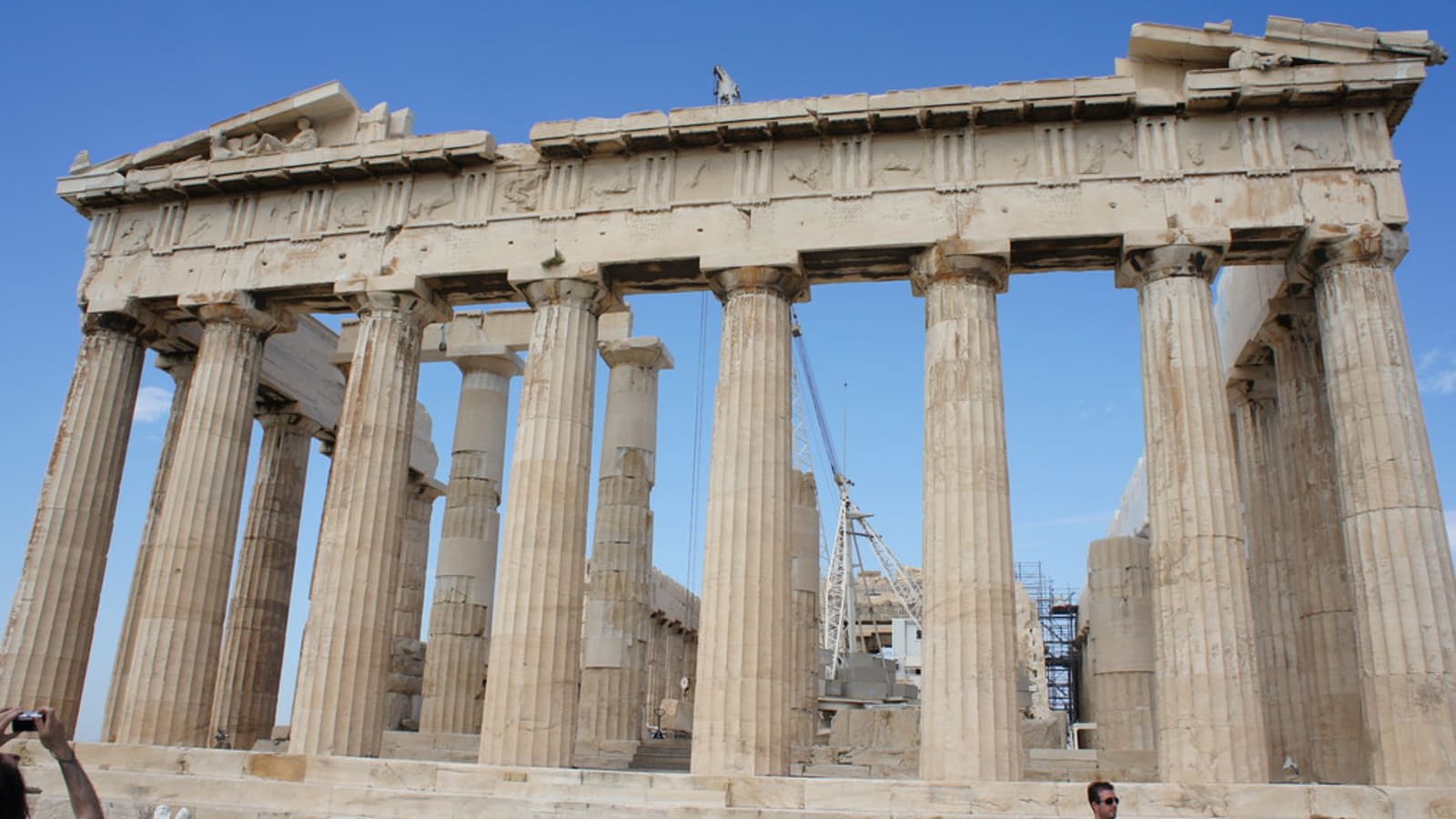
For Greece, the repatriation is being used to build leverage on another diplomatic front. Prime Minister Mitsotakis seized on the handover to bolster Athens's long-running campaign to force the British Museum to return the Parthenon Marbles.
Mitsotakis remarked that the global community is "re-evaluating its longstanding stance on protecting cultural heritage," arguing that historical treasures cannot be treated as "spoils of war".
The agreement has, however, faced some domestic pushback in Greece. A number of prominent Greek academics and church leaders have questioned whether the First World War relics being returned by Sofia are of equivalent value to the remains of the legendary tsar.
Who was Tsar Samuel?
Tsar Samuel led the Bulgarian Empire during a brutal, decades-long conflict with the Byzantine Empire, ultimately dying in 1014 shortly after a devastating military defeat. Though his reign ended in collapse, he has long been revered in Bulgaria as a national hero who defended his kingdom's independence.
The return of his remains represents a rare moment of historical reconciliation in a region where medieval legacies still frequently fuel modern political disputes.
Key numbers
| What | Figure | Source |
|---|---|---|
| Year of Tsar Samuel's death | 1014 | Historical record |
| Time since the remains were discovered in Greece | 60 years | Museum records of Thessaloniki's Museum of Byzantine Civilization |
In this story
| Name | Role in the story |
|---|---|
| Tsar Samuel | The medieval Bulgarian ruler whose remains were returned to Sofia. |
| Bulgaria | The country receiving the remains of its medieval monarch. |
| Greece | The nation returning the remains after holding them for decades. |