Japan IPO fundraising hits 14-year low as regulatory rules and AI drought bite
Tightened listing rules on the Tokyo Stock Exchange and a shortage of hot tech startups are choking off new stock market debuts.
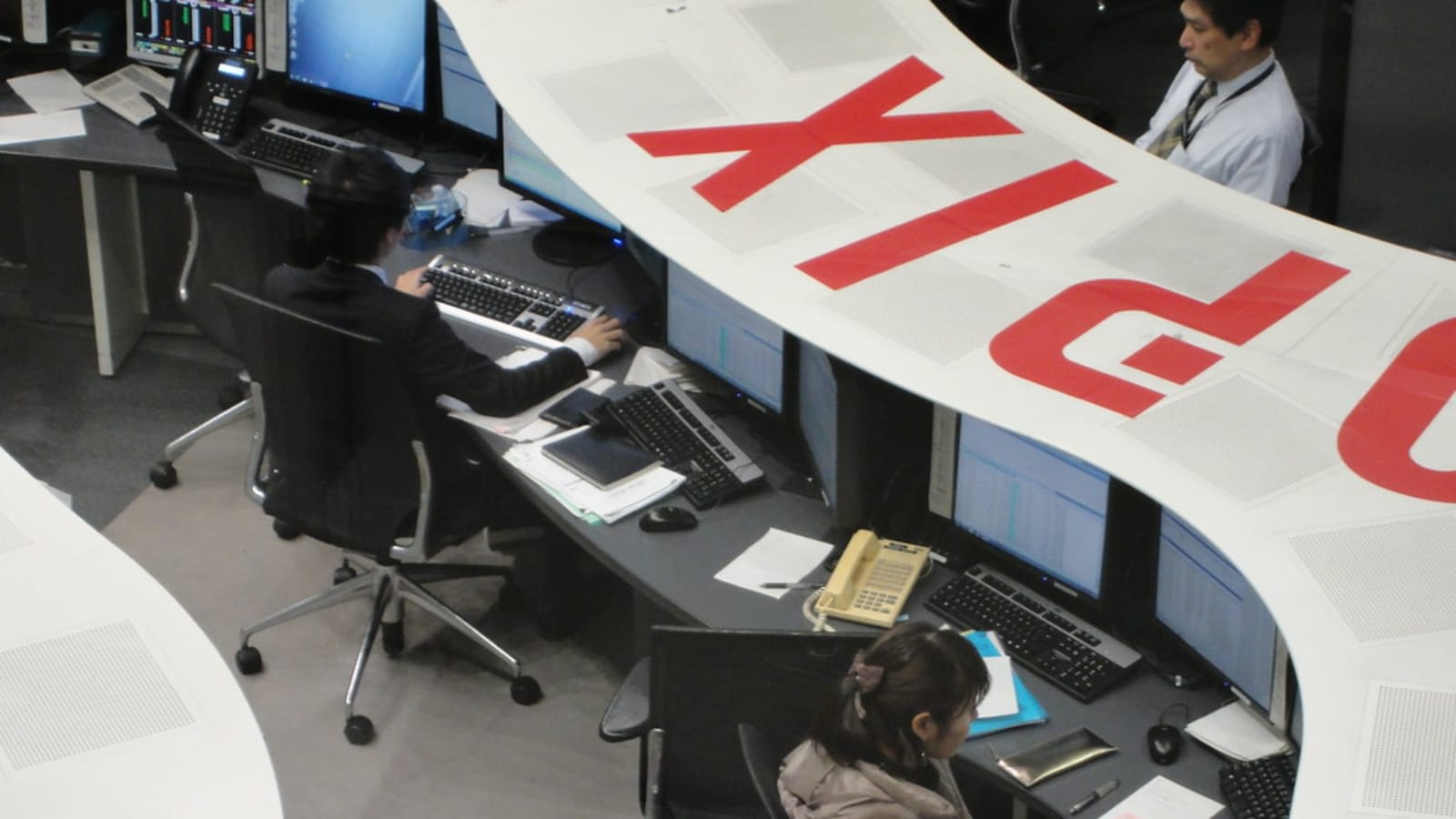
Initial public offerings in Japan have plunged to their lowest level in 14 years, stalling a market that once saw dozens of listings a year and drawing a sharp contrast with a dealmaking surge across the rest of Asia.
Just 32 companies went public in Tokyo in the first nine months of the year, according to data compiled by Bloomberg. That is the lowest tally for the period since 2012.
Two main factors are driving the drought. First, the Tokyo Stock Exchange is getting tougher on listings. Under new rules taking effect in 2030, startups listing on the Growth Market must reach a market value of at least ¥10 billion ($63.2 million) after five years. Currently, they only need to hit ¥4 billion after 10 years.
This higher bar is making both founders and venture capitalists nervous. Reika Matsuda, a founding partner at Shiza Ventures, said banks are becoming highly selective, backing only startups that can show post-listing growth potential alongside meeting the exchange's new hurdles. Because it takes two to three years to prepare a Japanese company for an IPO, many are simply stepping back. "More companies decided now is not the time to go public," said Masahito Watanabe, head of the IPO department at Mizuho Securities.
The missing AI boom
Second, Japan is missing out on the artificial intelligence boom that is fuelling IPOs elsewhere. While Asian tech heavyweights like CXMT and Zhongji Innolight have drawn massive investor interest, and firms like Moonshot AI and DeepSeek eye listings next year, Japan has struggled to produce comparable venture-backed tech champions.
Instead, private funding for AI is sucking the oxygen out of the rest of the market. Keith Yuki Isobe, managing director at DG Ventures, noted that capital is heavily concentrated in private rounds for generative AI, leaving non-AI startups with far fewer backers than they had a few years ago.
Even the year's bright spots are relatively modest. The largest Japanese IPO so far has been the taxi app Go, which raised $607 million. Other highly anticipated deals have stalled; SmartHR, a human resources unicorn backed by KKR, postponed its listing after investors balked at its target valuation.
When will listings recover?
Despite the slowdown, market participants expect a slow recovery led by private equity buyouts and corporate carve-outs. Bain Capital-owned York Holdings plans to list within two years, KKR's Logisteed is targeting 2027, and Toshiba, backed by Japan Industrial Partners, is eyeing a return as early as fiscal 2028.
Daiwa Securities' Hiroaki Shirano said these sponsored relistings should help the market regain a "reasonable scale" over time. But he warned that the days of seeing 100 IPOs a year are likely over.
Key numbers
| What | Figure | Source |
|---|---|---|
| IPOs in first nine months | 32 | Bloomberg |
| New post-listing valuation threshold | ¥10 billion ($63.2 million) | Tokyo Stock Exchange |
| Current post-listing valuation threshold | ¥4 billion | Tokyo Stock Exchange |
| Largest Japanese IPO of the year (Go Inc.) | $607 million | Bloomberg |
In this story
| Name | Role in the story |
|---|---|
| Tokyo Stock Exchange | The exchange raising listing requirements for its Growth Market. |