RBI warns Supreme Court that Yes Bank AT1 bond ruling threatens banking stability
The central bank argues that restoring Rs 8,415 crore in written-off bonds breaches Basel III norms and compromises future bank rescues.
The Reserve Bank of India has warned the Supreme Court that reversing the write-off of Rs 8,415 crore in Yes Bank bonds risks destabilising future bank rescues and weakening safeguards for millions of depositors.
In a review petition filed on 13 November, the central bank cautioned that restoring the Additional Tier-1 (AT1) securities undermines international Basel III capital standards and dilutes the equity brought in by state-backed investors during the lender’s successful 2020 bailout.
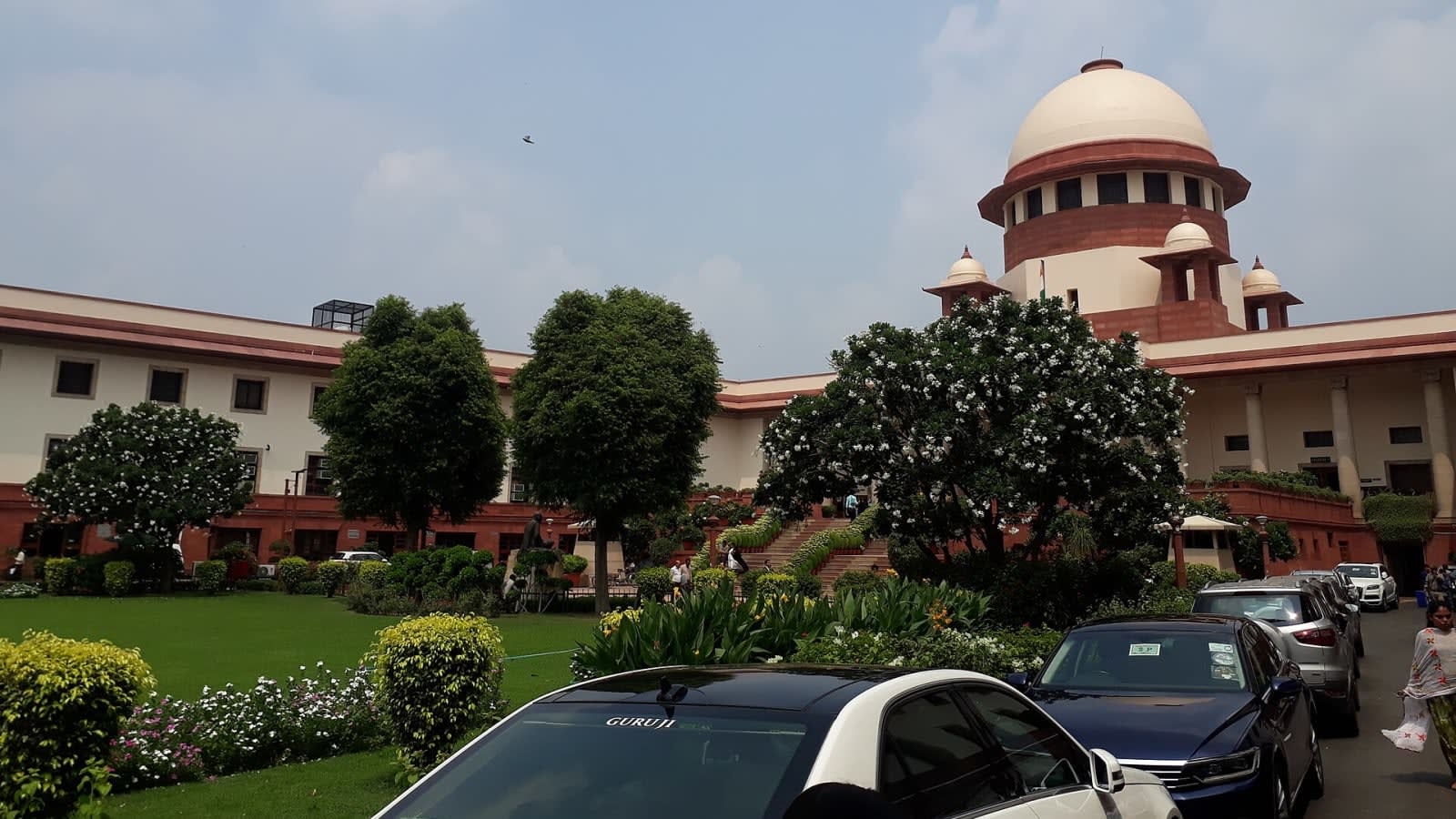
The Supreme Court had last month set aside the central bank's 2020 decision to wipe out the AT1 bonds, citing procedural lapses and ordering their restoration. The RBI’s petition, alongside a parallel filing by Yes Bank, delays the execution of that order while the court considers the regulatory framework governing distress resolutions.
At the core of the central bank's argument is the fundamental design of AT1 instruments. Under globally recognized Basel III guidelines, these bonds are explicitly created to absorb losses when a financial institution faces distress, ensuring that retail depositors and taxpayers are shielded from systemic failure.
The RBI argued in its filing that allowing these high-yield securities to remain intact after a comprehensive restructuring renders key provisions of the Basel III framework meaningless. Automatically absorbing losses during resolution, the central bank stressed, is an essential feature of AT1 bonds regardless of whether every clause is explicitly restated in a specific restructuring scheme.
Restoring the Rs 8,415 crore liability would directly erode the capital injected by the State Bank of India and a consortium of institutional investors who stepped in to rescue Yes Bank in March 2020. That coordinated intervention restored liquidity, preserved public confidence, and prevented broader financial contagion.
How the Yes Bank resolution stands
| Parameter | Resolution Details |
|---|---|
| AT1 bonds written off | Rs 8,415 crore ($900 million) |
| Lead rescue investor | State Bank of India |
| Primary regulatory standard | Basel III Master Circular |
| Core priority of intervention | Safeguarding depositors and financial stability |
The regulator also firmly rebutted the court's characterisation of its role as a "mere bystander" during the 2020 crisis. In its petition, the central bank detailed its proactive intervention, noting that it had repeatedly directed Yes Bank management to raise fresh capital, appointed an additional director to the board to enforce compliance, and swiftly instituted a moratorium to protect depositors before deploying a state-backed recapitalisation scheme.
The review petition underscores the central bank's commitment to upholding robust banking norms and ensuring that investor risks attached to high-yielding instruments do not take precedence over public depositor security.
Key numbers
| What | Figure | Source |
|---|---|---|
| AT1 bonds written off | Rs 8,415 crore ($900 million) | RBI court filing |
| Review petition filing date | 13 November | RBI court filing |
In this story
| Name | Role in the story |
|---|---|
| Reserve Bank of India | Central bank that filed the review petition in the Supreme Court. |
| Supreme Court of India | Apex court hearing the review petition on AT1 bond write-offs. |
| Yes Bank | Private sector lender rescued under a 2020 RBI resolution plan. |