Fed rate hike becomes near-certainty after hot inflation and $100 oil
Traders are pricing in a near-certain interest rate rise next week as energy costs and core prices keep the pressure on policymakers.

Financial markets have all but locked in an interest rate hike from the US Federal Reserve next week. A double blow of stubborn core inflation and crude oil surging past $100 a barrel has forced Wall Street to accept that borrowing costs are going up again.
Traders are now pricing in an 85 to 90 per cent chance that the Fed will raise its benchmark rate by a quarter of a percentage point at its 15-16 September meeting, according to the CME Group's FedWatch tool. That is a swift U-turn from just a week ago, when the market was split down the middle on whether policymakers would stand pat.
The shift in sentiment was triggered by fresh data from the Bureau of Labor Statistics showing that core consumer prices, which strip out volatile food and energy costs, rose 0.3 per cent in August. Economists had expected a milder 0.2 per cent increase. Annually, core inflation is running at 2.4 per cent, while headline inflation reached 3.4 per cent.
This comes on top of a wholesale price index that also came in hotter than expected, indicating that the expenses businesses face are still climbing before they even reach consumers.
Why oil is complicating the picture
At the same time, global energy pressures are mounting. Crude oil has broken past the $100-a-barrel threshold, driven by US tensions with Iran that have choked fuel shipments. On forecourts, US diesel prices hit a record this week, climbing past $6 a gallon.
"Today’s clean 0.3% core CPI print, combined with the sharp rise in energy prices and persistent tensions with Iran, all but locks in a Fed rate hike next week," said Seema Shah, chief global strategist at Principal Asset Management. She added that after five and a half years of inflation staying above the Fed's 2 per cent target, policymakers might decide they need more than just one hike to restore price stability.
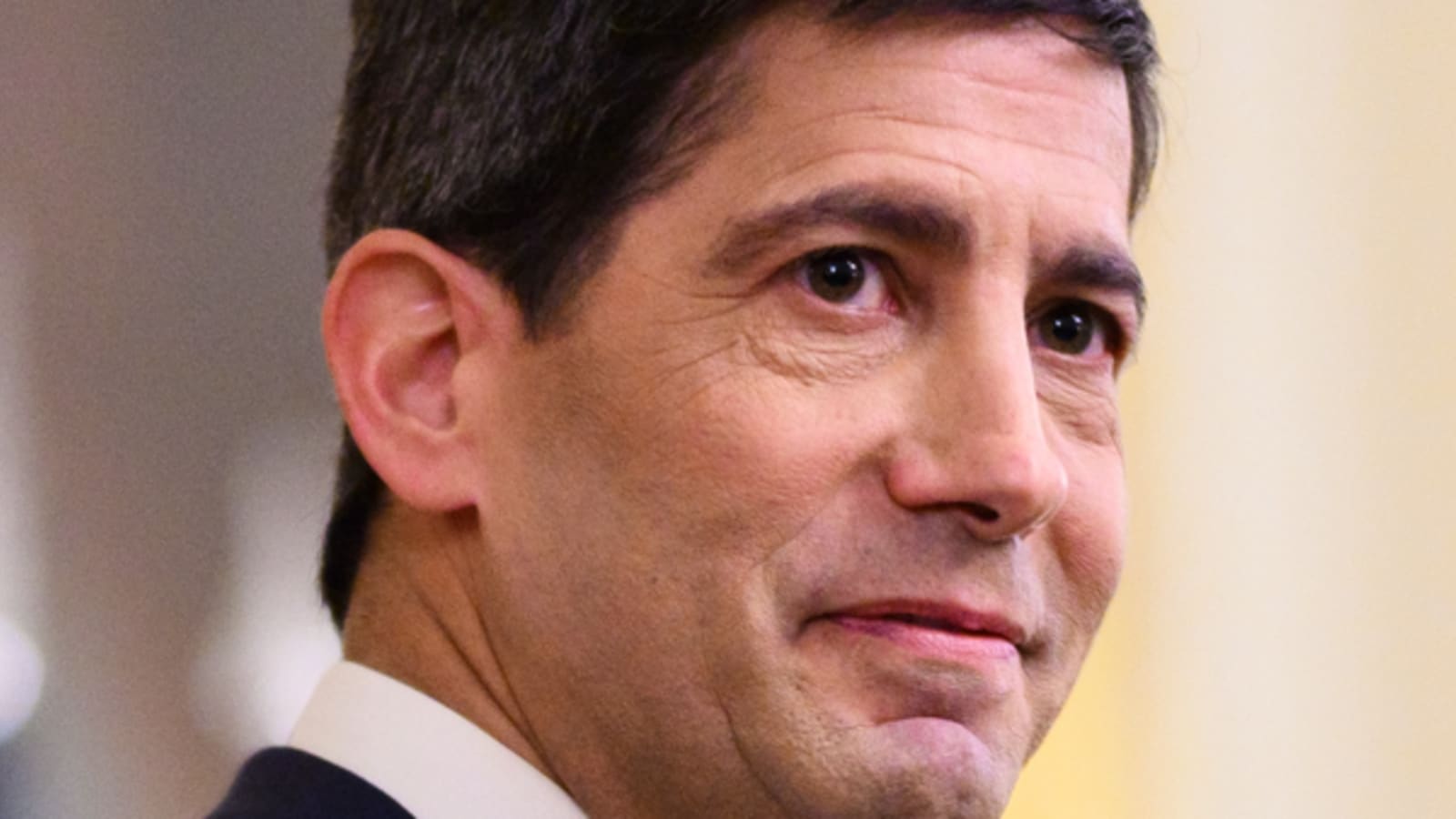
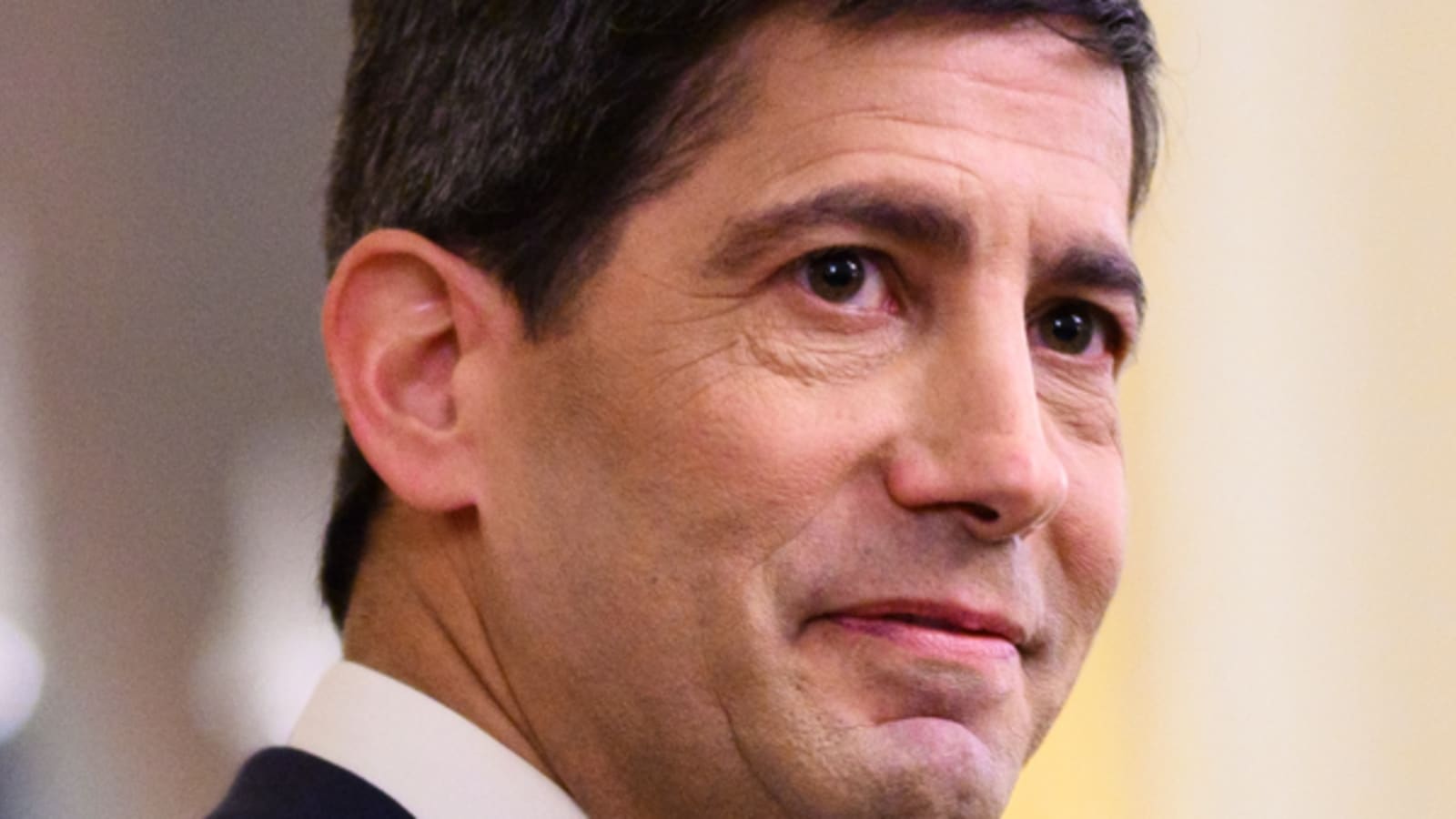
The Fed has kept its benchmark rate between 3.50 per cent and 3.75 per cent all year, but internal pressure to act has been building. Minutes from the July meeting revealed a 9-3 vote in favour of keeping rates steady, but with growing undercurrents of support for further tightening. In August, Fed Chair Kevin Warsh used his maiden Jackson Hole address to warn that inflation was not slowing fast enough, reiterating the central bank's absolute commitment to its 2 per cent goal.
Is a rate hike guaranteed?
Not everyone is convinced that a rate hike is a done deal. Analysts at Oxford Economics suggested the Fed's preferred measure of inflation—the personal consumption expenditures (PCE) index—might show a more modest 0.2 per cent rise for August. They argue this could still give the central bank just enough room to pause, describing the upcoming decision as on a "knife's edge."
Meanwhile, Christopher Hodge, an economist at Natixis, described the latest inflation reading as a "bump on the disinflationary road" rather than a sign that prices are spiralling out of control again.
The pressure to hold off is also coming from the White House. President Donald Trump has repeatedly urged the Fed to slash interest rates, arguing that lower borrowing costs would spark a massive economic expansion. Trump has also dismissed worries about triple-digit oil prices, predicting that hostilities in the Middle East will subside after the midterm elections.
But with inflation refusing to settle and energy prices threatening to filter through to the wider economy, the Fed may decide it has no choice but to act next week, if only to avoid catching the markets off guard.
Key numbers
- 0.3%
- 2.4%
- 85% to 90%
- 3.50% - 3.75%
- Over $100