US borrowing costs hit highest level since 2007 as oil prices surge
A spike in oil prices and heavy borrowing by tech giants push the benchmark 10-year yield to 5.04 per cent, its highest in nearly two decades.

US government borrowing costs have climbed to their highest level in nearly two decades, with the benchmark 10-year Treasury yield hitting 5.041 per cent on Tuesday.
The surge, which marks the highest level since July 2007, comes as rising oil prices and persistent inflation intensify pressure on the Federal Reserve to raise interest rates at its meeting on Wednesday.
Why are US Treasury yields rising?
Energy markets are driving much of the anxiety. The ongoing war involving the US, Israel, and Iran has choked vital shipping routes, effectively shutting down the Strait of Hormuz, through which a fifth of the world's oil flows. Tensions flared further after Iranian-backed forces reportedly seized Perim Island in the Bab el-Mandeb Strait, a key alternative route used by Saudi Arabia for exports.
As a result, Brent crude futures touched $110 a barrel and West Texas Intermediate topped $105. With diesel fuel climbing above $6 a gallon, businesses are facing higher transport costs that threaten to feed directly into broader consumer prices.
The pressure is not only coming from energy. Tech giants are borrowing heavily to fund massive artificial intelligence data centres, creating stiff competition for capital that is pushing corporate borrowing rates higher and, in turn, dragging government yields upward.
How does this affect the wider economy?
The 10-year yield is a key peg for the wider economy, directly influencing everything from home mortgages and car loans to corporate debt. Its ascent was accompanied by moves in other government bonds; the 30-year Treasury yield rose to 5.401 per cent, its highest since June 2007, while the two-year yield climbed to 4.688 per cent.
To cool the bond market, the US Treasury has expanded its bond buyback operations. Treasury Secretary Scott Bessent described the intervention as "successful," but the scale of the global sell-off has so far overshadowed these efforts.
What will the Federal Reserve do next?
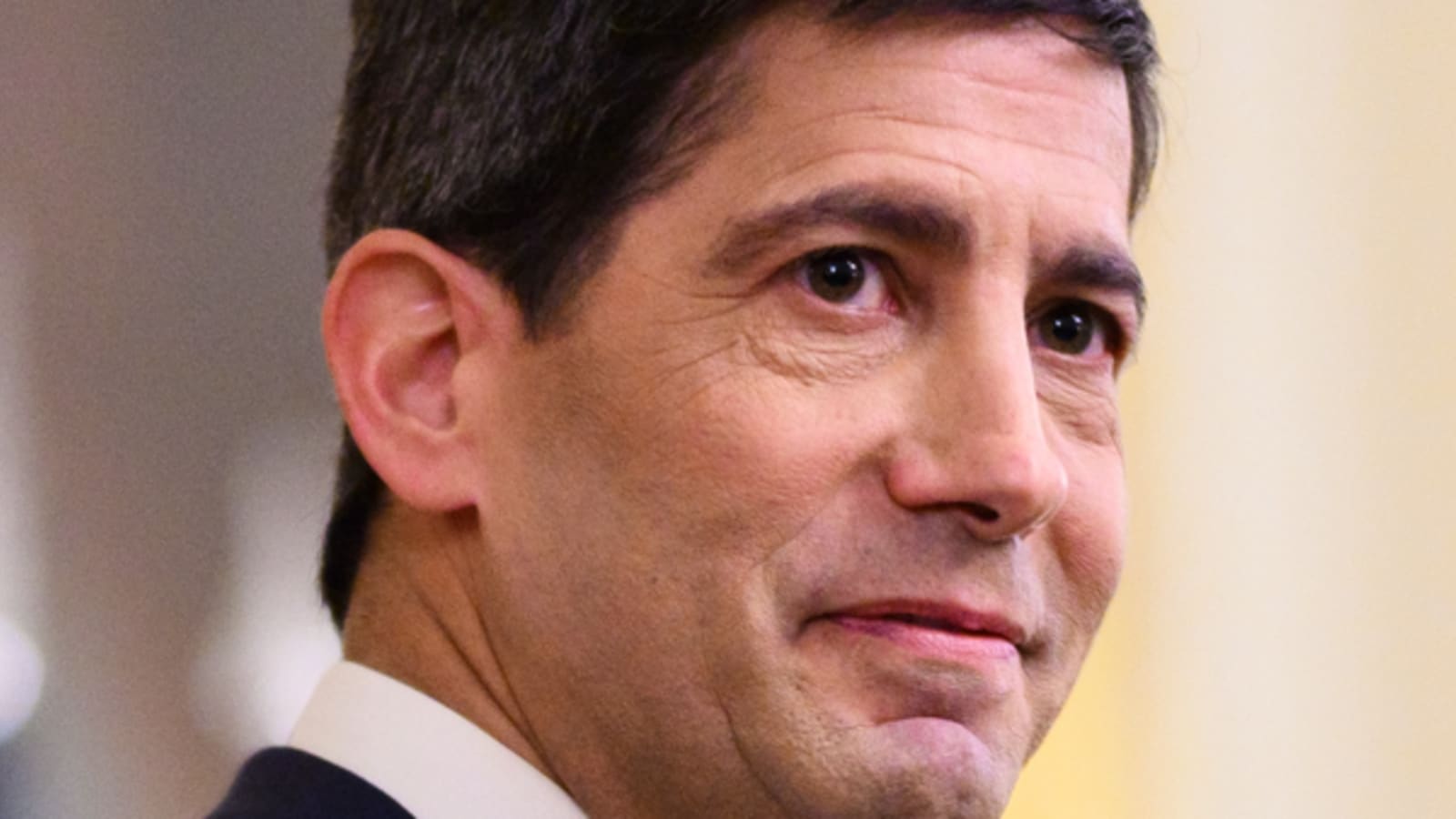
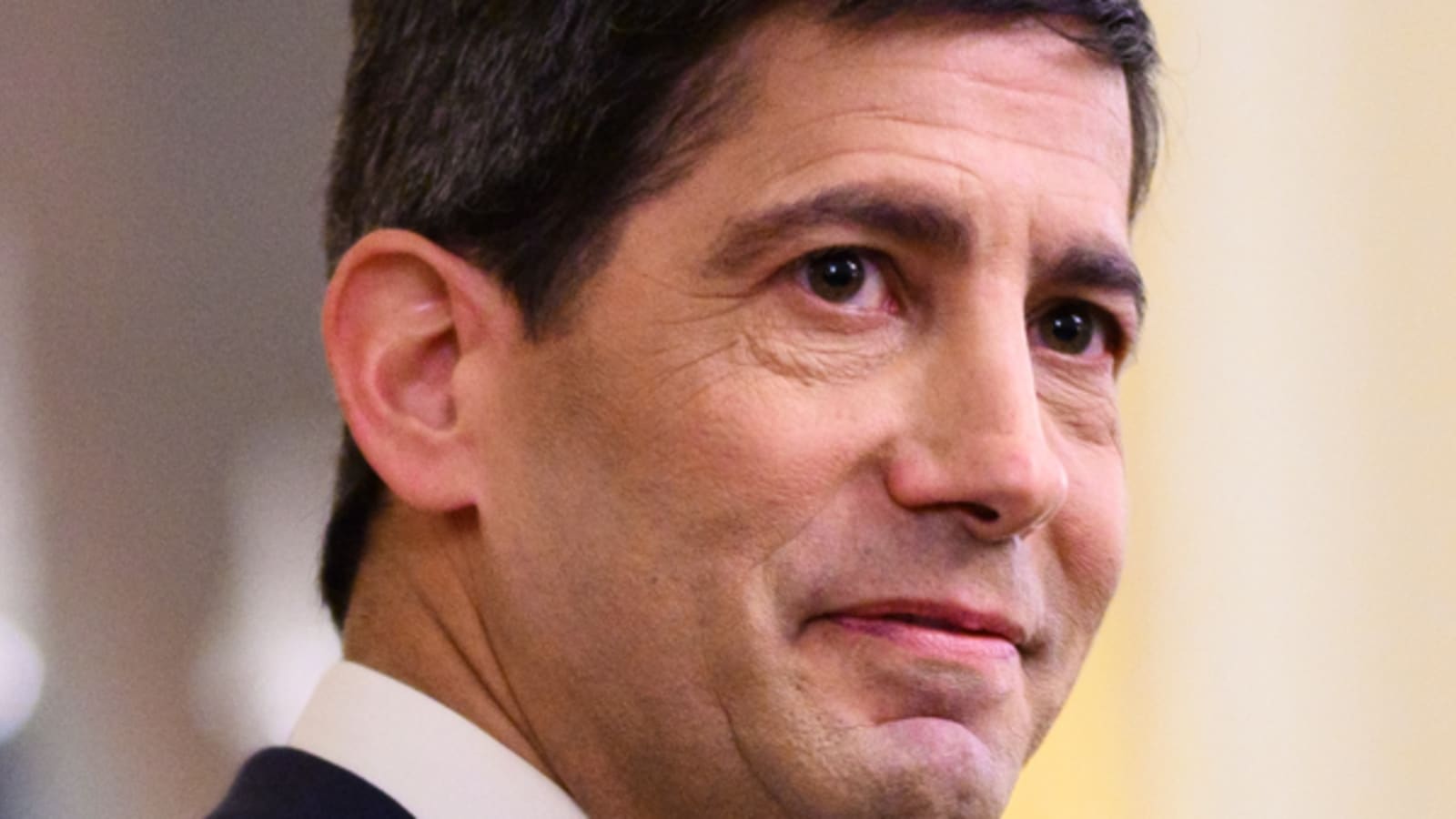
Financial markets are heavily betting on a rate hike. Traders are pricing in a 94 per cent chance that Federal Reserve Chair Kevin Warsh will announce a quarter-point increase on Wednesday to keep a lid on inflation, which remains stubbornly above the central bank's 2 per cent target.
Any such move would put the central bank on a collision course with the White House. President Donald Trump has repeatedly called for lower rates to boost economic growth, downplaying the long-term impact of the Middle East conflict on US inflation.
While some officials urge patience—National Economic Council Director Kevin Hassett said that near-term data suggests inflation is actually cooling—market participants remain cautious.
"As long as oil prices remain firm and continue to drift higher, this will add pressure to interest rates," Steve Sosnick, chief strategist at Interactive Brokers, said.
Carol Schleif, chief market strategist at BMO Wealth Management, noted that while the rise in borrowing costs has been orderly, rates could remain elevated for some time if geopolitical tensions and energy costs remain front and centre.
Key numbers
- 5.041%
- 5.401%
- $110 per barrel
- 94%