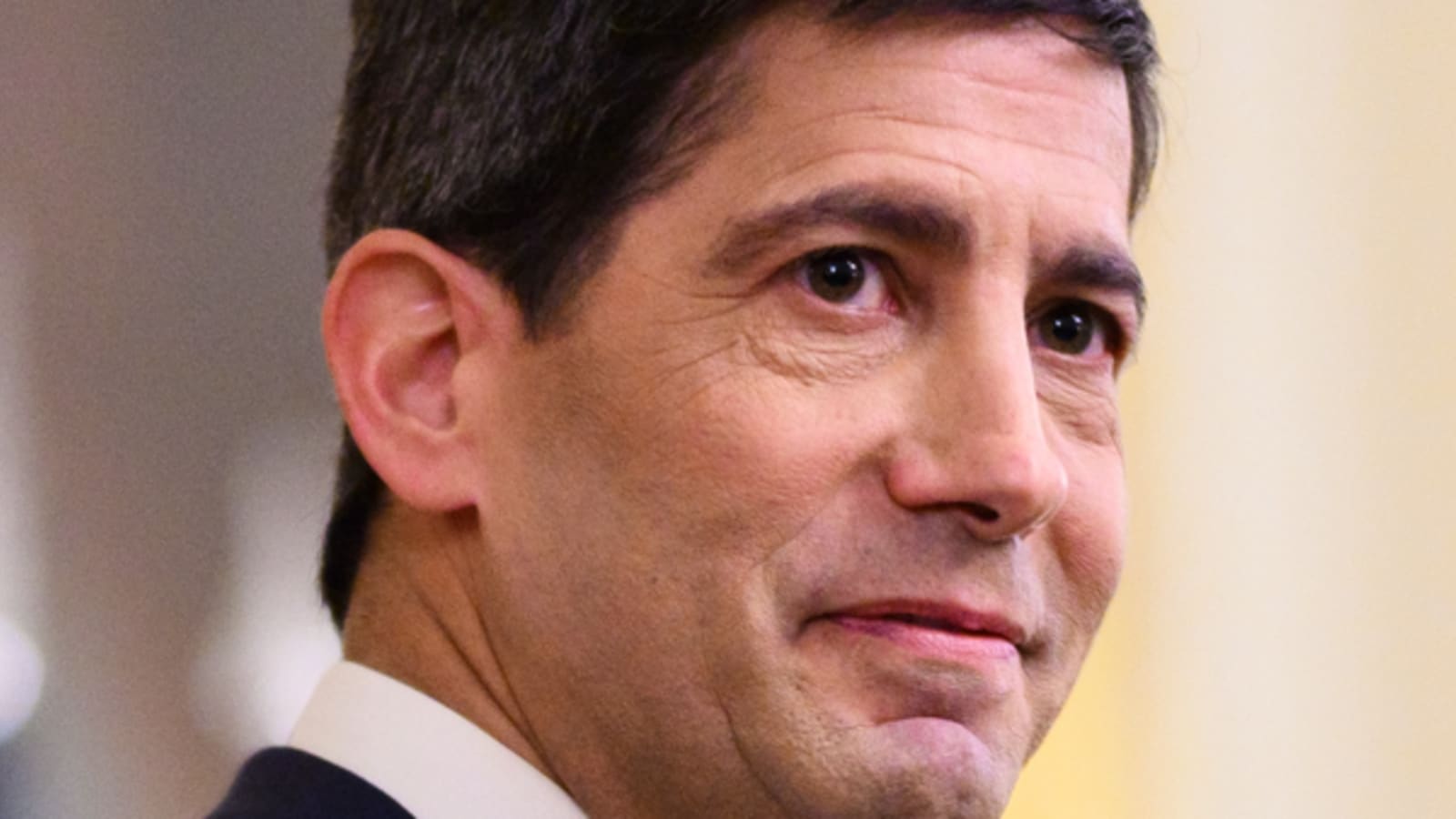
Kevin Warsh faces ultimate credibility test as inflation leaves Fed little choice but to raise rates
A sharp rise in US consumer prices has left the Federal Reserve chair with little room to manoeuvre ahead of next week's policy meeting.
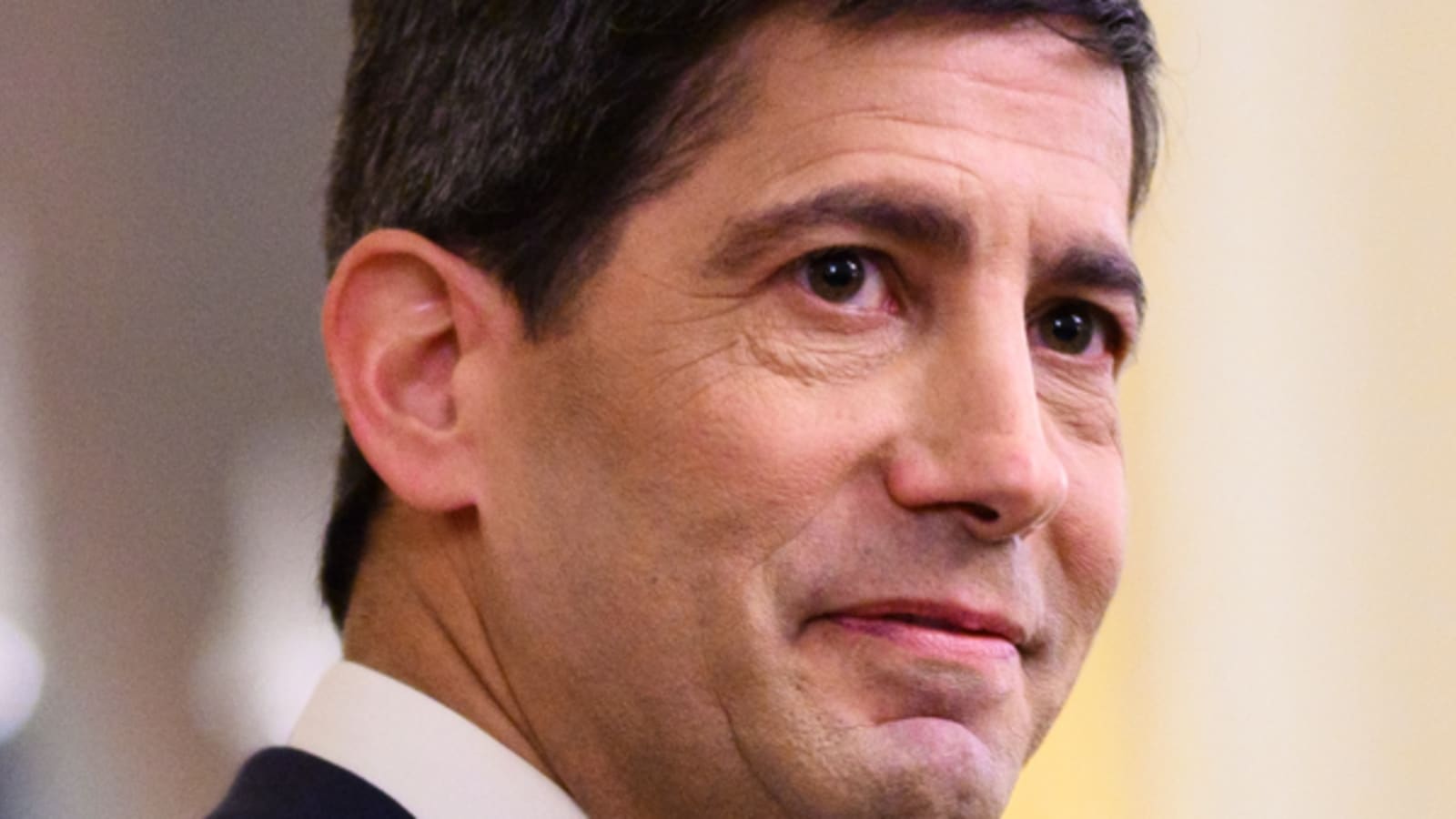
High inflation pressures the Fed
The Federal Reserve is facing intense pressure to raise US interest rates next week after consumer price inflation accelerated in August, setting up a high-stakes clash between economic reality and political pressure from the White House.
Data released by the US Labor Department’s Bureau of Labor Statistics on Friday showed that the Consumer Price Index increased by 0.4 per cent last month, up from a marginal 0.1 per cent rise in July. Over the 12 months through August, consumer prices climbed by 3.4 per cent, proving that inflation remains stubborn and well above the central bank's target.
The hot inflation report instantly transformed market expectations ahead of the Fed's next policy meeting on 16 September. Financial markets reacted by pricing in a 91 per cent chance of a rate hike, up from 72 per cent the day before the data was published, according to the CME Group's FedWatch tool.
The dilemma for Kevin Warsh
The numbers leave Federal Reserve Chair Kevin Warsh with a difficult balancing act as he prepares for his first major policy test. He must weigh the central bank's mandate to control prices against direct and aggressive demands from President Donald Trump to lower borrowing costs.
Mr Trump has made his expectations clear, using social media to threaten severe economic consequences if the central bank does not comply. "LOWER THE RATE OR I’LL STOP TRADING WITH COUNTRIES WITH WHICH WE HAVE A DEFICIT," the president posted last week, a direct challenge to the historical independence of the Federal Reserve.
But economists warn that backing down now would do lasting damage to the central bank's reputation, especially after Mr Warsh used his speech at the Jackson Hole economic symposium last month to signal a tough stance. At that event, he said policymakers needed to be confident that inflation was moving towards their 2 per cent target, warning that if it did not, the Fed had "work to do".
The credibility test
"For the Fed, it is time to put up, or shut up," said Omair Sharif, the founder of the research firm Inflation Insights. He warned that failing to act after the Jackson Hole speech would leave Mr Warsh looking like "the boy who cried wolf".
Analysts at BNP Paribas also argued that the Fed chairman needs to deliver a rate hike next week to establish his inflation-fighting credentials and prove the central bank remains independent of political interference.
If Mr Warsh decides to act, a measured 25-basis-point increase is seen by many economists as the most likely path. While such a move would almost certainly trigger a public backlash from the White House, doing nothing would risk signalling to financial markets that the Fed has succumbed to political pressure.
With the 16 September meeting fast approaching, the decision will show whether the Fed's monetary policy is still driven by economic data, or if political threats have begun to dictate the direction of US interest rates.
Key numbers
- 0.4%
- 3.4%
- 91%
- 0.1%