US inflation quickens to 0.4% in August as fuel prices surge
A monthly jump in fuel and core prices complicates the Federal Reserve's rate plans seven weeks before the midterm elections.

What happened?
US inflation accelerated in August as a sharp rise in fuel costs drove up the cost of living, complicating the Federal Reserve's next policy decision and increasing the financial pressure on households just seven weeks before the midterm elections.
The consumer price index rose 3.4% in August from a year earlier, matching the annual rate recorded in July, according to the Labor Department. However, the monthly momentum quickened significantly. Consumer prices climbed 0.4% from July to August, a sharp increase from the modest 0.1% rise recorded the previous month.
Even when stripping out volatile food and energy costs, underlying inflation remained stubborn. The 'core' consumer price index rose 0.3% on a monthly basis—the largest such increase since April—although its annual rate ticked down slightly to 2.4%.
Who is involved?
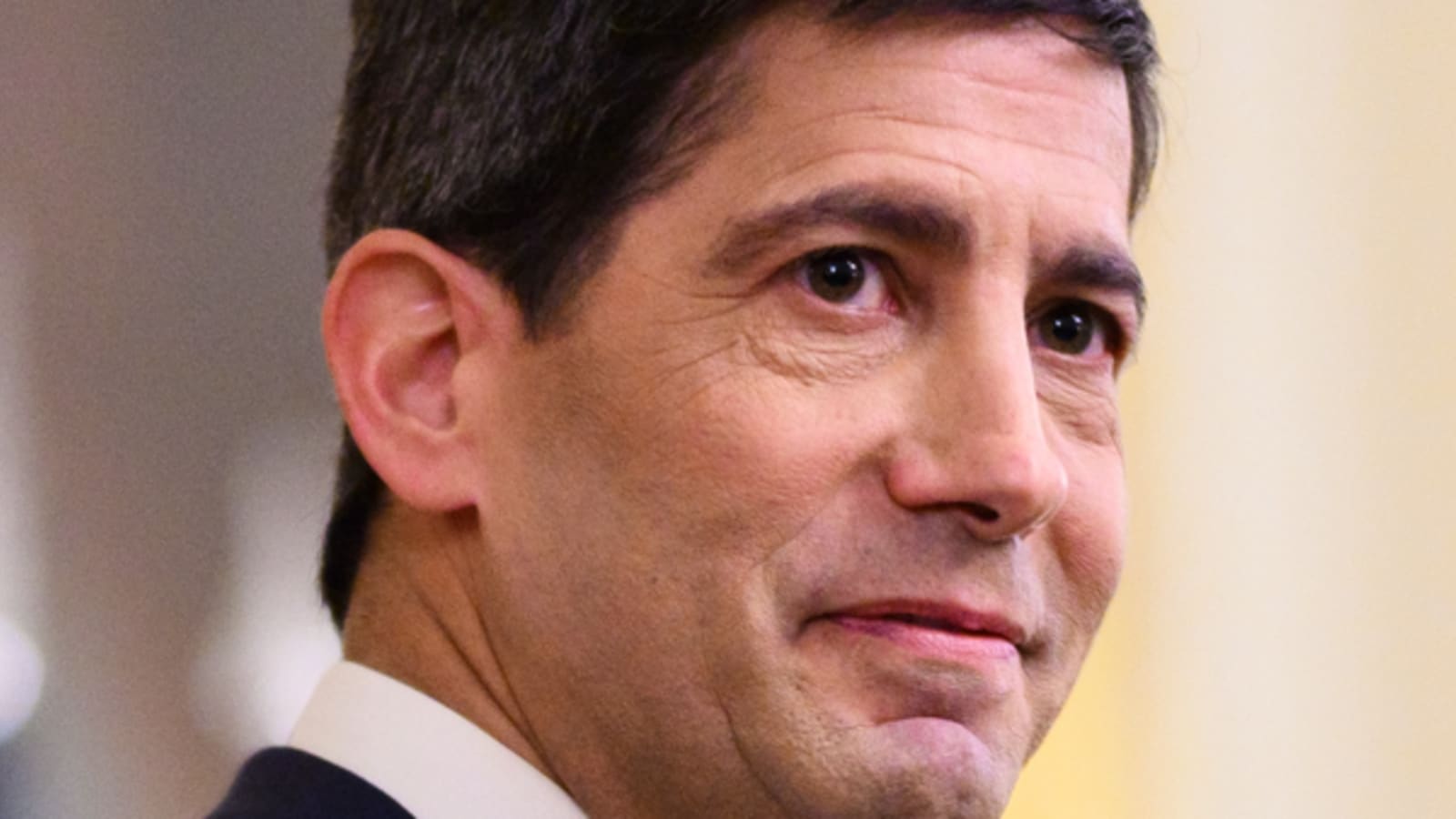
The stubbornness of these figures places intense pressure on the Federal Reserve and its chair, Kevin Warsh, as they prepare for a key policy meeting on 15-16 September. At its previous meeting in July, the central bank kept its benchmark rate steady, though three policymakers voted in favour of a quarter-point hike that would have lifted it to around 3.9%.
Following the inflation release, Wall Street investors rapidly adjusted their expectations. The market now prices in an 80% probability of a rate hike in September, up from 70% a day earlier, according to the CME Fedwatch tool.
'Interest rates can remain on hold only if disinflation continues, and today's August report did not deliver that,' said Kathy Bostjancic, chief economist at Nationwide.
Meanwhile, the political battle over the economy is intensifying. President Donald Trump has promised $5,000 payments to all American adults if the Republican Party retains its majority in Congress, a proposal that economists warn could itself worsen inflation. To counter rising borrowing costs, Treasury Secretary Scott Bessent has increased government bond buybacks. Despite these efforts, the yield on the 10-year Treasury note hit a near three-year high of 4.9% this week.
What is driving the price rises?
Surging energy costs did the heaviest damage in August. Fuel prices jumped 3.9% in a single month, pushing the nationwide average for a gallon of regular gas to $4.30—more than 27% higher than at this time last year. Diesel prices have also climbed above $6 a gallon, a threshold that raises the cost of transporting groceries and other truck-delivered goods.
The price increases extended well beyond the petrol pump:
- Airfares rose 2.7% on a monthly basis and are up more than 23% compared to last year.
- Hotel rooms climbed 2.4% from July to August, representing a 3.2% annual increase.
- Everyday services such as car repairs, home appliances, and mobile phone plans all became more expensive.
In contrast, apparel and grocery prices remained flat from July to August, offering minor relief to consumers, though egg prices bucked the trend by rising 2.9% over the month.
What happens next?
The central bank has long treated energy price spikes as temporary shocks, hoping that a resolution to geopolitical tensions in the Middle East and a fading of tariff pressures would allow inflation to cool naturally.
However, with no sign of a de-escalation in the conflict involving Iran, and tariffs remaining an active political tool, economists are warning that elevated inflation could persist. Bostjancic warned that the disruption is unlikely to be 'one and done' and could represent a prolonged drag on the economy, as expensive fuel continues to filter into the prices of other goods and services.
Key numbers
- 0.4%
- 3.4%
- 3.9%
- 80%
- 4.9%